


Table of Contents
Why Neurowellness Is Exploding in 2026
In our hyper-connected world filled with constant notifications, work pressures, and global headlines, traditional wellness approaches — like intense workouts or strict tracking — are leaving many people feeling exhausted rather than energized. That’s where neurowellness comes in as one of the biggest shifts in 2026.
This movement moves beyond reactive stress management to proactive nervous system training. Instead of waiting for burnout, people are now focusing on building a stronger, more flexible autonomic nervous system upfront. Recent insights highlight vagus nerve stimulation and somatic practices as key tools for widening your “window of tolerance” to daily stressors.
Related reading: Why Traditional Fitness Routines Are Failing Busy Professionals in 2026

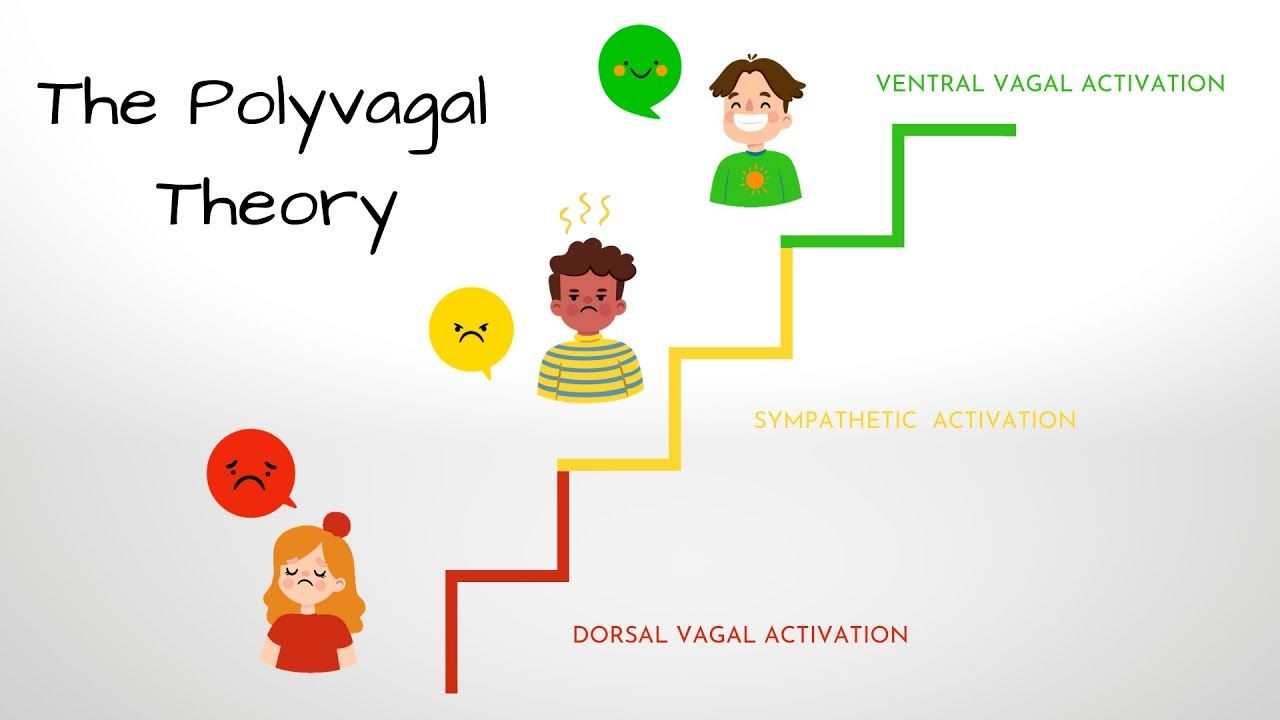

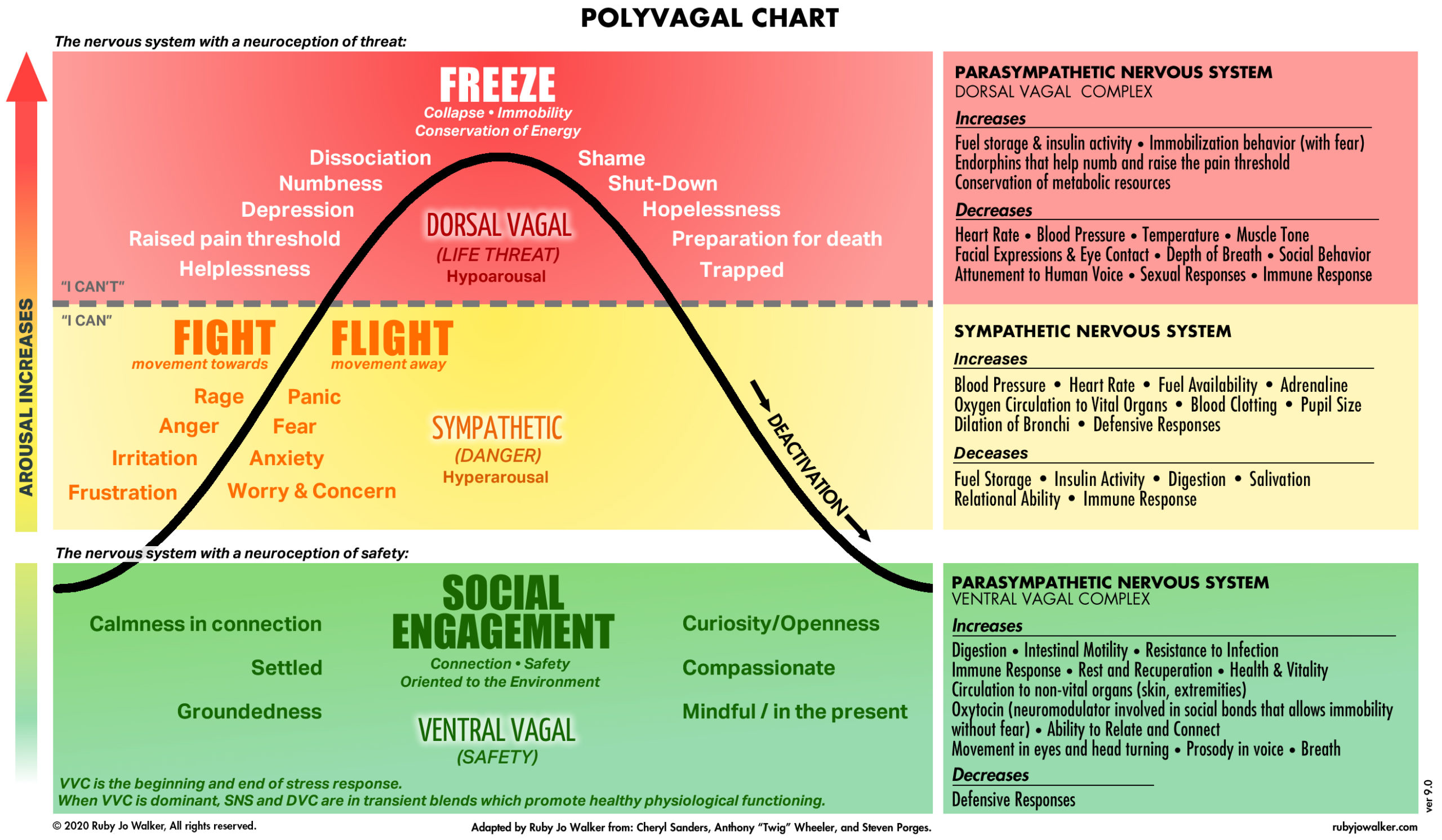
Alt text: Polyvagal theory diagram showing nervous system states – safety, stress, and shutdown
What Exactly Is Neurowellness?
Neurowellness is the intentional practice of regulating your autonomic nervous system — the part of your body that controls automatic responses like heart rate, digestion, and stress reactions. It draws heavily from polyvagal theory (developed by Dr. Stephen Porges), which explains three main nervous system states:
- Ventral vagal (safety & social connection — calm, present, engaged)
- Sympathetic (fight-or-flight — activated, anxious)
- Dorsal vagal (shutdown/freeze — numb, withdrawn)
The goal is to spend more time in the safe, connected state through simple tools like breathwork, gentle movement, humming, and controlled cold exposure. These practices stimulate the vagus nerve, the longest cranial nerve that acts like a “brake pedal” for your stress response, improving heart rate variability (HRV), reducing inflammation, and supporting better emotional regulation.
This approach is grounded in neuroscience and is gaining traction as a complement to metabolic health, sleep optimization, and longevity practices.
Learn the science: Check resources on polyvagal theory and vagus nerve function from credible institutions.

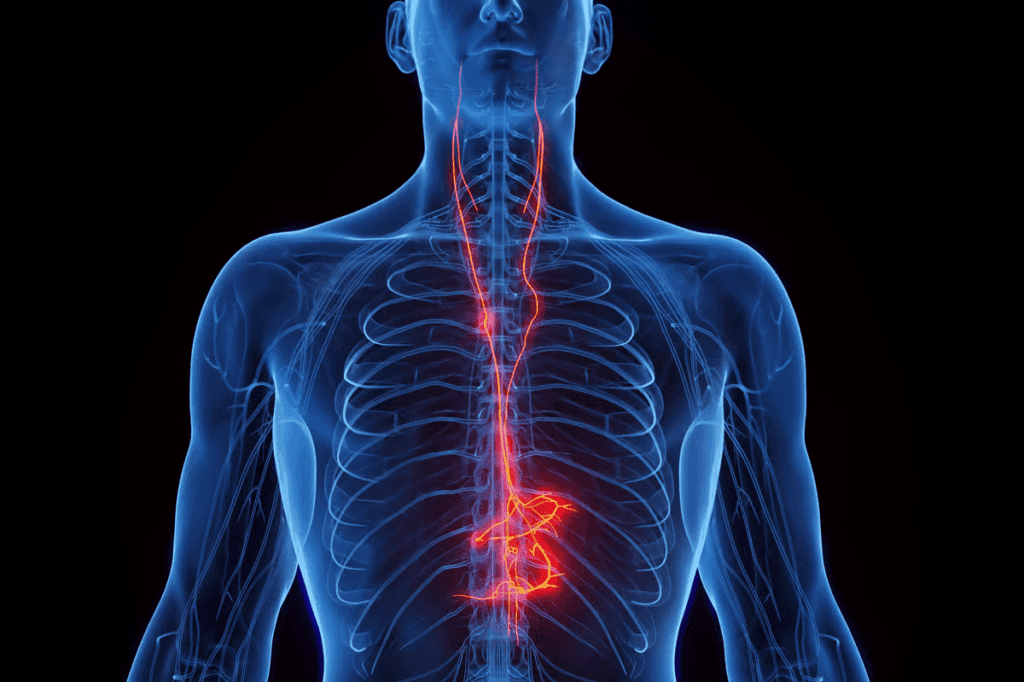
Alt text: Anatomical illustration of the vagus nerve running through the human body
Top Benefits of Prioritizing Neurowellness
Adding nervous system regulation to your routine can deliver noticeable improvements:
- Stronger stress resilience — Wider tolerance for daily pressures without spiraling into anxiety.
- Deeper, restorative sleep — Faster sleep onset and better quality by activating the parasympathetic “rest-and-digest” mode.
- Sharper focus and stable mood — Reduced brain fog, fewer emotional swings, and improved mental clarity.
- Faster recovery from workouts — Better pairing with strength training or cardio for sustainable results.
- Natural support for immunity and inflammation — A regulated system helps modulate immune responses and lowers chronic inflammation.
- Enhanced overall well-being — Many report feeling more “present,” energized, and emotionally balanced.
Research and 2026 trends show that practices increasing vagal tone can boost mood, reduce anxiety symptoms, and even improve cognitive function.
Internal link: Pair this with our guide on Optimizing Sleep for Longevity and Energy.
5 Practical Ways to Start Neurowellness Today (Plus Bonus Tips)
Here’s how to incorporate these practices easily:
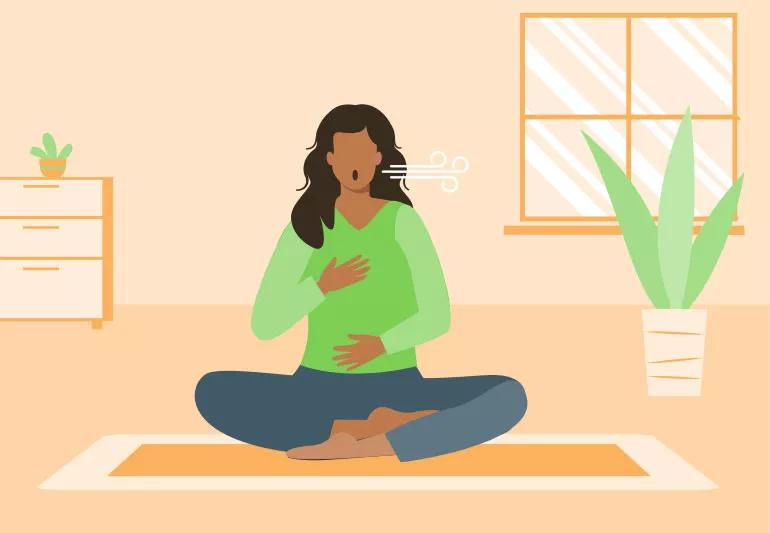
- Daily Breathwork Sessions The 4-7-8 technique is highly effective: Inhale quietly through your nose for 4 seconds, hold for 7 seconds, and exhale through your mouth for 8 seconds. Repeat 4–8 cycles twice daily (morning and before bed). Longer exhalations directly stimulate the vagus nerve and promote relaxation.


:max_bytes(150000):strip_icc()/GettyImages-1214832465-246db85c309641c3ab54663ba74f3759.jpg)
Alt text: Person practicing 4-7-8 breathing technique in a calm seated position
- Mindful Cold Exposure End your regular shower with 30–60 seconds of cold water while focusing on steady breathing. This builds nervous system resilience gently. Benefits include improved mood, reduced inflammation, and better stress adaptation over time. Start mild and build tolerance.


Alt text: Person enjoying a refreshing cold shower for nervous system reset
- Slow, Awareness-Based Movement Replace or add one session of high-intensity training with yin yoga, restorative poses, or a mindful nature walk. Focus on sensations in your body rather than performance. Group classes or home routines work well.

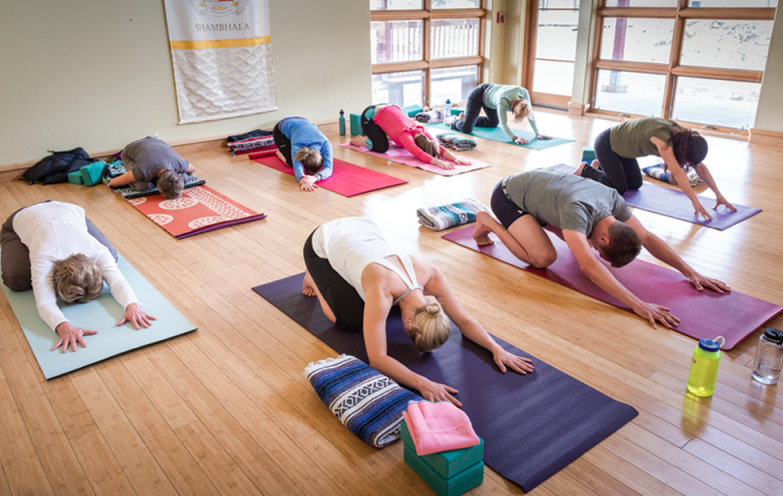
Alt text: Group practicing slow, restorative yin yoga for nervous system health
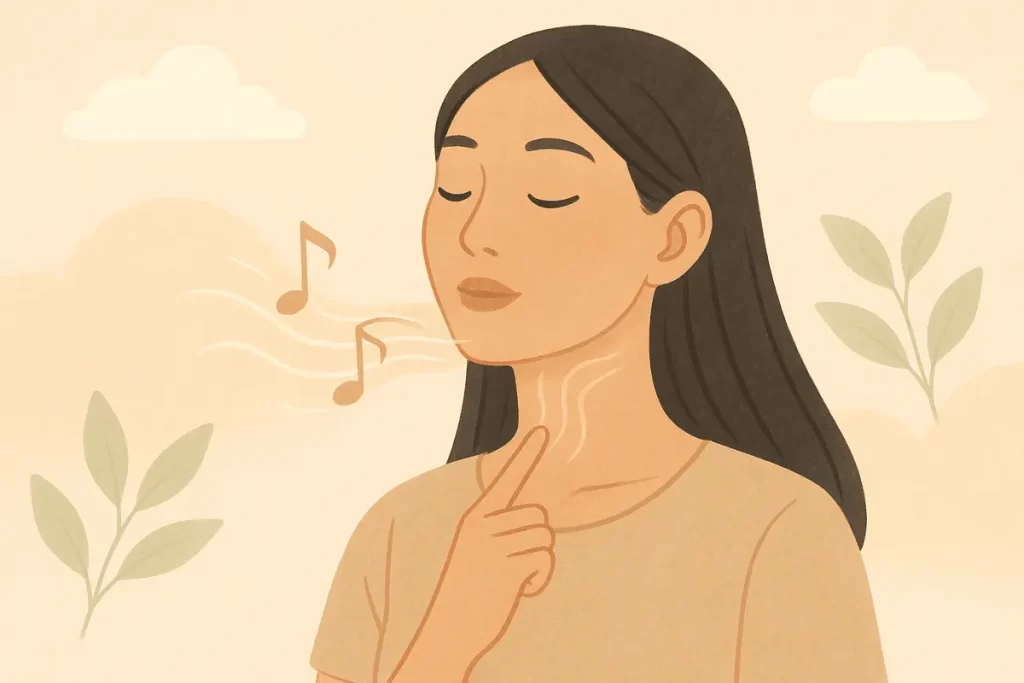
- Simple Vagus Nerve Activation Hum, gargle, sing, or even laugh out loud for 2–5 minutes daily. These vibrations stimulate the vagus nerve through the throat and chest. Bonus: Try gentle ear pulling or light tapping on the collarbone area.



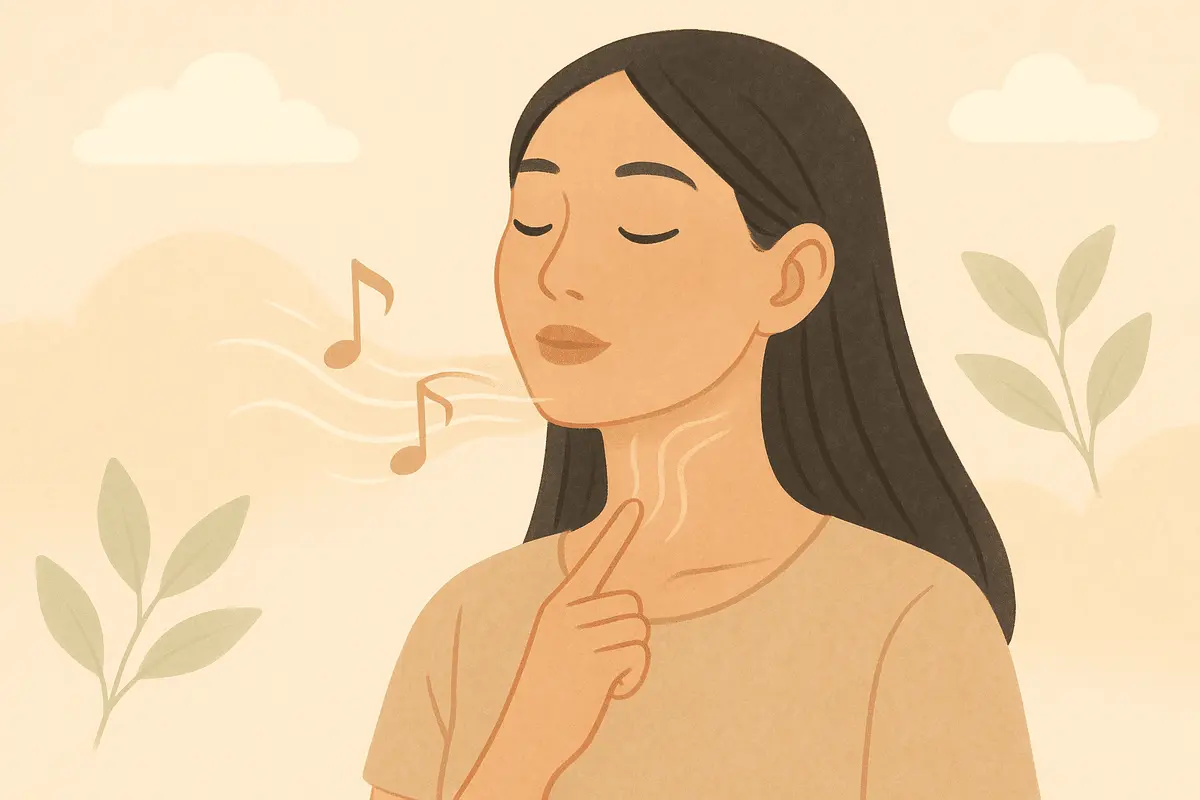
Alt text: Woman humming or singing joyfully to activate the vagus nerve
- Protected Digital Downtime & Co-Regulation Create screen-free evenings with dim lights, journaling, or light reading. Spend time with supportive people (co-regulation helps your nervous system feel safe). Treat wind-down time as non-negotiable.
Bonus Tip: Track your progress with a simple HRV app or journal how you feel after each practice.
Pro tip: Combine with our beginner-friendly guide — Breathwork Techniques Anyone Can Master.
How Neurowellness Fits Into Your Existing Routine
Neurowellness isn’t about replacing your workouts, nutrition plan, or sleep tracking — it enhances them. For example:
- Do breathwork before or after strength sessions for better recovery.
- Use cold exposure as a post-workout tool.
- Layer vagus nerve practices into your evening routine to improve sleep quality from your current trackers.
In 2026, the smartest approach is balanced optimization: push when needed, but prioritize restoration for long-term sustainability.
Bonus FAQ: Common Neurowellness Questions
Q: How quickly can I expect results from nervous system training? Many people notice calmer energy, better mood, and improved sleep within 7–14 days of daily practice. Consistency matters more than intensity.
Q: Is neurowellness safe for everyone? Most practices are gentle, but start slowly. Consult your doctor if you have heart conditions, are pregnant, or have other health concerns before trying cold exposure.
Q: Do I need special equipment? No — breathwork, humming, and mindful movement require nothing. A basic HRV app or cold shower is enough to begin.
Q: Can neurowellness help with anxiety or burnout? Yes, by improving vagal tone and shifting out of chronic fight-or-flight states, it supports emotional regulation and resilience.
Final Thoughts: Balance Optimization with True Restoration in 2026
Wellness this year is moving toward working with your nervous system instead of constantly pushing against it. Neurowellness provides the missing piece that makes your other healthy habits more effective and sustainable.
Start small this week: Choose just one practice from the list above and commit for 7 days. Notice changes in your energy, sleep, focus, or stress levels — the shifts can feel surprisingly quick and profound.
What’s your biggest daily stressor right now? Which neurowellness habit are you most excited to try first? Share in the comments below, or pass this post along to a friend who could use more calm and resilience in their life.