How to Build Muscle at Home Without Any Equipment: The Ultimate Beginner’s Guide for 2026
Bodyweight training remains one of the most accessible and effective ways to build muscle in 2026, especially with home workouts topping fitness trends alongside strength training and recovery focus. No gym membership, dumbbells, or fancy gear needed—just your body weight, consistency, and smart programming. This comprehensive guide delivers an original, science-backed plan for beginners to gain noticeable muscle, strength, and fat loss results in 4–8 weeks (and beyond).
Whether you’re restarting after a break, avoiding gyms, or seeking sustainable habits, expect detailed exercise form, progressions, nutrition strategies (including 1.6–2.0 g protein/kg body weight daily), recovery tips, a ready-to-use 3x/week full-body routine, sample meals, and more. Aim for 2,500–4,000+ calorie surplus-adjusted intake depending on your stats and goals.
Table of Contents
Why Build Muscle at Home? Key Benefits in 2026
Building muscle improves metabolism (burning more calories at rest), enhances functional strength for daily life, supports bone health, boosts mood via endorphins and better sleep, aids longevity, and improves body composition. Bodyweight exercises engage multiple muscles/joints, promote balance/core stability, and mimic real movements—making them highly functional.
Studies confirm effectiveness: 10 weeks of bodyweight training improved aerobic capacity (~33%), muscle endurance (~11%), and lower-body power (~6%) in young women; comparable strength gains to weighted training (e.g., push-ups vs. bench press) appear in short-term comparisons; and hypertrophy occurs without external loads, with some protocols reducing intramuscular fat.
In 2026, trends favor hybrid/strength focus, mental fitness, and time-efficient “snack-sized” sessions—bodyweight fits perfectly for busy schedules.
The Science of Muscle Hypertrophy with Bodyweight Training
Muscle growth (hypertrophy) requires mechanical tension, metabolic stress, and muscle damage, followed by recovery/supercompensation. Bodyweight achieves this via high reps (8–15+), slow eccentrics (3–4 seconds lowering), pauses, 1.5-reps, or advanced variations (e.g., diamond push-ups, archer push-ups, single-leg squats). Progressive overload is key: increase reps, slow tempo, add pauses, reduce rest (60–90s between sets), or advance variations weekly.
Optimal per-session volume for hypertrophy plateaus around ~10–11 sets per muscle group; for strength, even 1–2 direct sets per movement suffice initially. Train to near-failure (1–2 reps in reserve) for best gains.
Nutrition for Muscle Building: Macros, Protein Timing & Meal Ideas
Calorie surplus (250–500 above maintenance) fuels growth; track via apps or estimate (e.g., bodyweight in lbs × 15–18 for rough TDEE, adjust). Protein is critical: ISSN recommends 1.4–2.0 g/kg/day for active individuals (1.6–2.0 g/kg ideal for strength/hypertrophy). Spread across 3–5 meals: ~0.25–0.40 g/kg per meal to maximize muscle protein synthesis (MPS).
Example (80 kg person): 128–160 g protein/day → 30–40 g/meal. Carbs fuel workouts (4–7 g/kg); fats for hormones (0.5–1 g/kg). Post-workout: protein + carbs within 1–2 hours.
Sample High-Protein Daily Meals (~2,500–3,000 cal, adjustable):
- Breakfast: Greek yogurt (plain, 200g) + berries + whey scoop + oats (40g protein)
- Lunch: Grilled chicken breast (150g) + quinoa (1 cup) + broccoli + olive oil (50g protein)
- Snack: Cottage cheese (200g) + almonds + apple (30g protein)
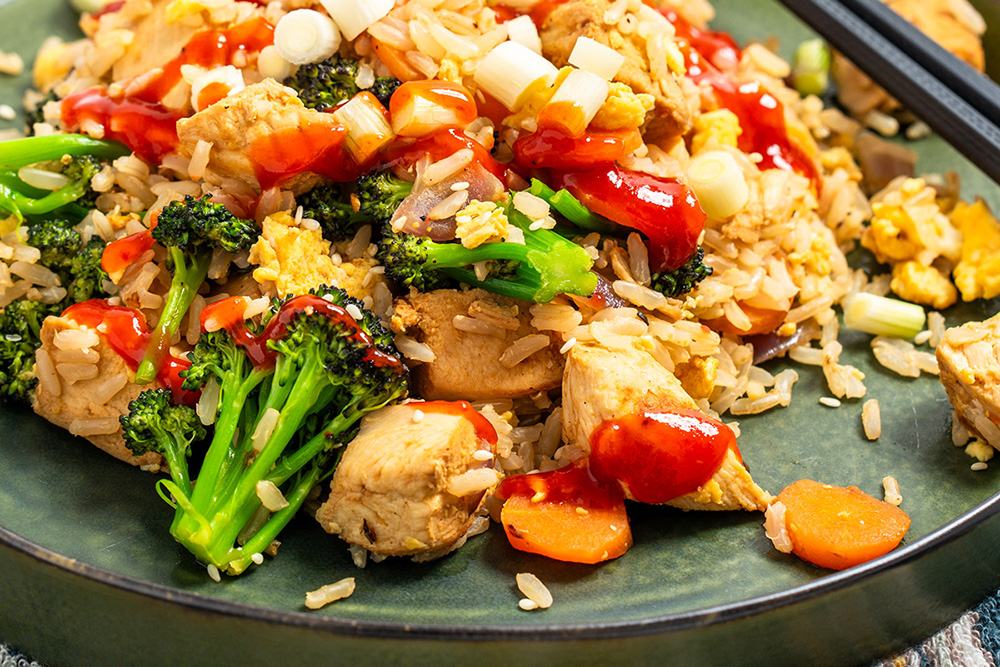
- Dinner: Salmon or turkey stir-fry with rice + veggies (40g protein)
- Post-workout shake: Protein powder (25–30g) + banana + milk

Hydrate (3–4L water/day), consider creatine (5g daily, trending in 2026 recovery), and sleep 7–9 hours.
Your No-Equipment 3x/Week Full-Body Bodyweight Workout Plan
Train 3 non-consecutive days (e.g., Mon/Wed/Fri). Each session: 5–10 min dynamic warm-up (arm circles, leg swings, jumping jacks), then 4–6 exercises, 3 sets each. Rest 60–90s between sets, 2 min between exercises. Total time: 45–60 min. Perform 8–15 reps (or 20–60s holds); focus on control/form.
Core Exercises & Form (Beginner → Advanced Progressions):
- Bodyweight Squats (Quads, glutes, hamstrings, core)
- Stand feet shoulder-width, toes slightly out. Brace core, push hips back/bend knees as if sitting back into chair. Lower until thighs parallel (or deeper if mobile). Drive through heels to stand, squeeze glutes at top.
- Beginner: Partial range or hold chair. Advanced: Jump squats, pistol squats (single-leg), or pause at bottom 3s.
- Why: Compound lower-body builder.

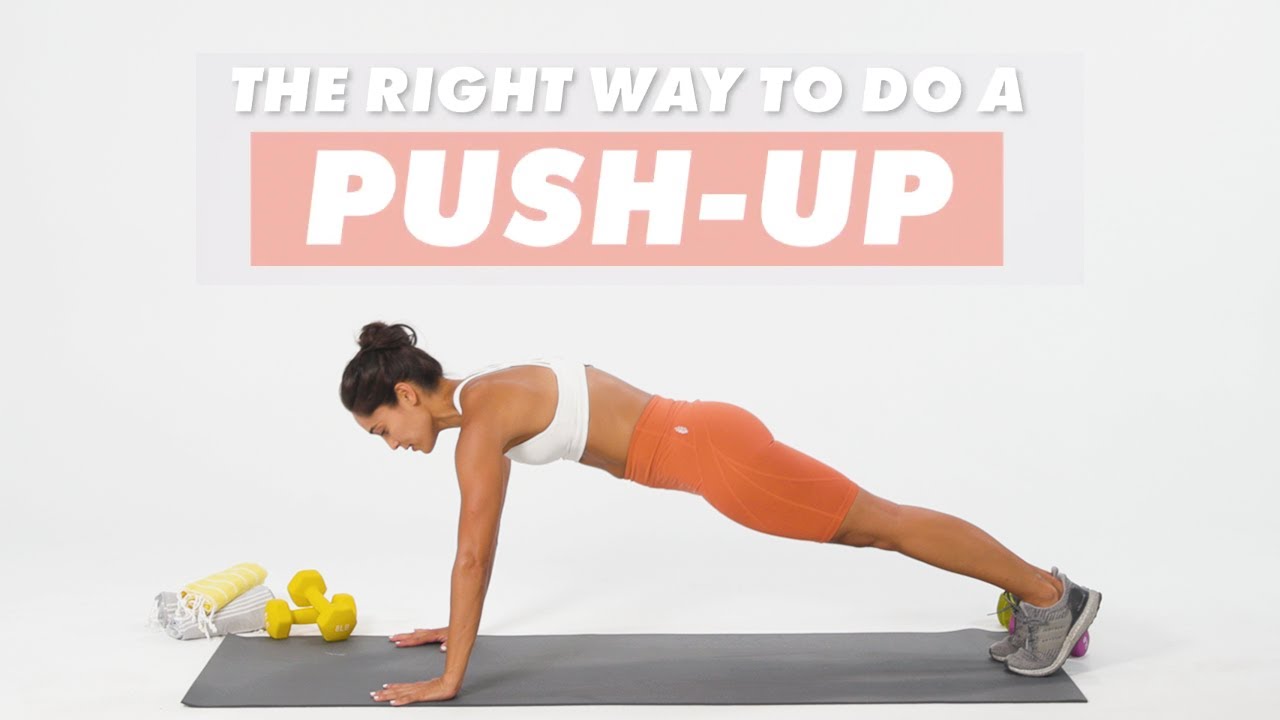
- Push-Ups (Chest, shoulders, triceps, core)
- High plank position: hands shoulder-width, body straight (head to heels). Lower chest toward floor (elbows ~45°), pause, push up explosively.
- Beginner: Knee push-ups or elevated (hands on couch). Advanced: Diamond (hands close), decline (feet elevated), archer, or slow eccentric (4–5s down).
- Form tip: No sagging hips; engage core.

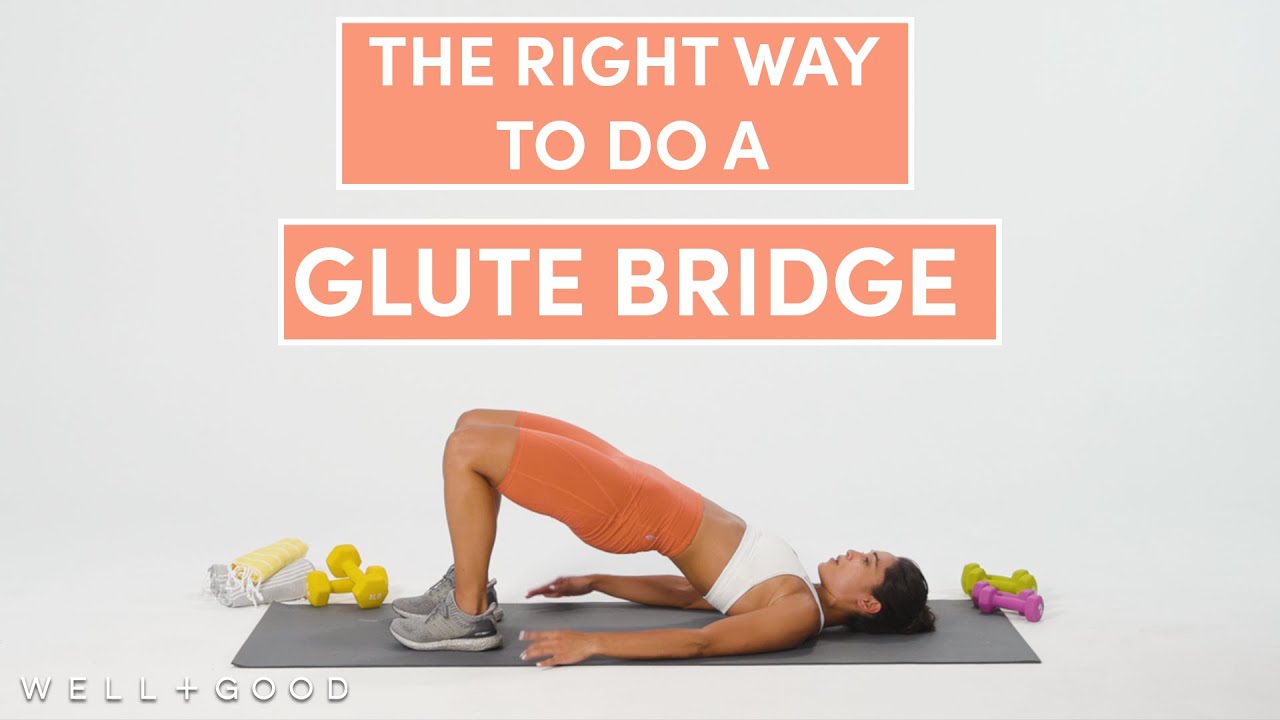
- Glute Bridges (Glutes, hamstrings, lower back, core)
- Lie on back, knees bent, feet flat hip-width. Drive through heels, lift hips until body forms straight line (knees to shoulders). Squeeze glutes hard at top, hold 1–2s, lower controlled.
- Beginner: Standard hold. Advanced: Single-leg, march (alternate lift feet), or add pause/1.5 reps.

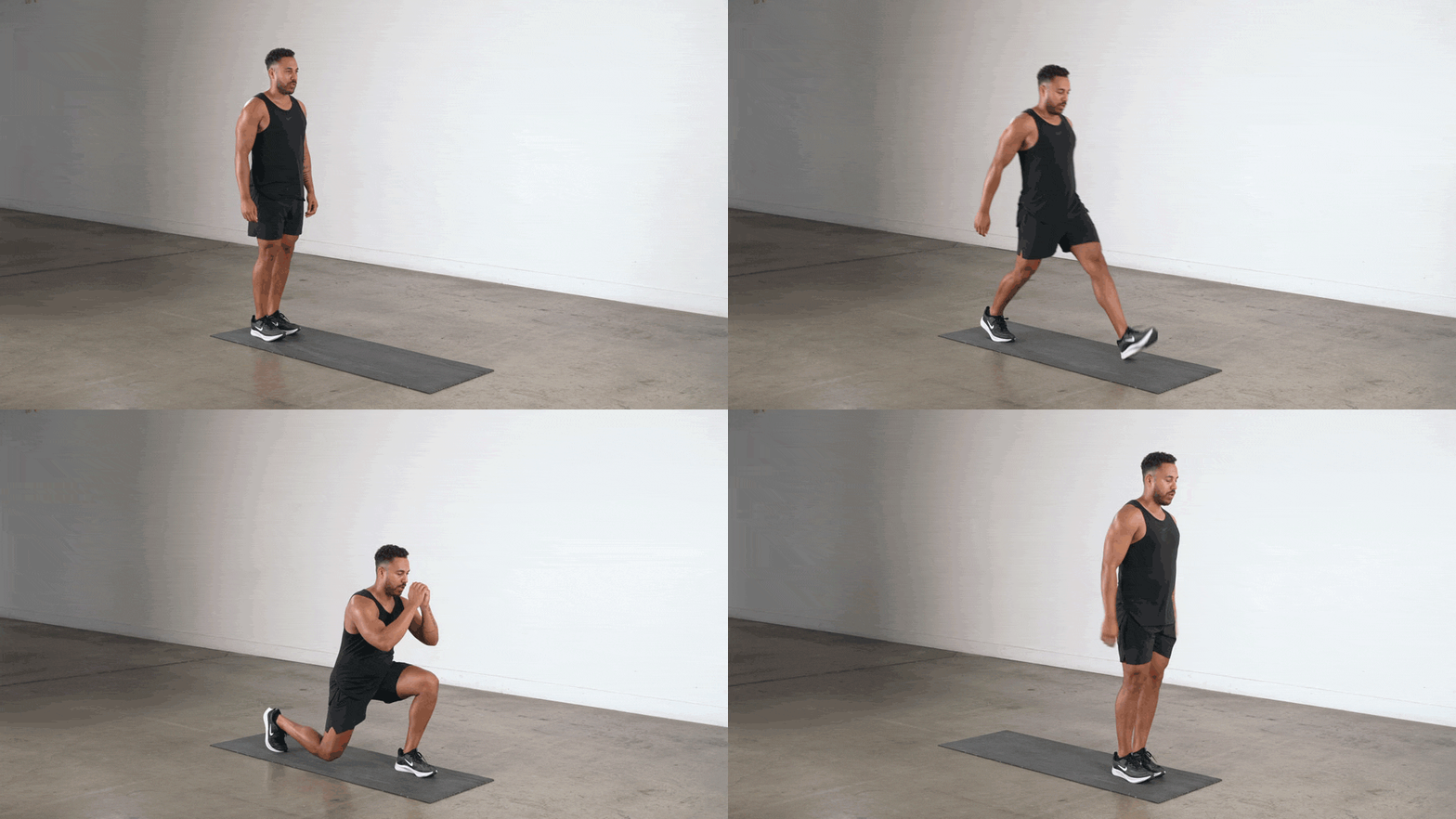
- Walking Lunges (Quads, glutes, hamstrings, balance)
- Step forward into lunge: front knee over ankle (90°), back knee nearly touches floor. Push off front foot to bring back leg forward into next lunge.
- Beginner: Stationary reverse lunges or split squats. Advanced: Jump lunges or deeper range.
- Plank (Core, shoulders, full-body stability)
- Forearm or high plank: body straight, forearms/hands under shoulders, engage core/quads/glutes. Hold without sagging or piking hips.
- Beginner: Knee plank. Advanced: Side plank, plank shoulder taps, plank jacks, or RKC plank (max tension).
:max_bytes(150000):strip_icc()/plankpose_annotations1-5be60d7d46e0fb0026375f56.jpg)

Sample Session Structure (3 rounds/circuits or straight sets):
- Squats 3×10–15
- Push-Ups 3×8–12 (scale as needed)
- Glute Bridges 3×12–15 (or 20–40s hold)
- Walking Lunges 3×8–12/leg
- Plank 3×20–60s
Weekly Schedule & Progression (4–8 Weeks):
- Weeks 1–2: Master form, hit lower rep range.
- Weeks 3–4: Add reps/time, slow tempo (3s down/1s up), shorten rest.
- Weeks 5+: Advance variations (e.g., diamond push-ups, single-leg bridges), add supersets (push-ups → plank), or 4th set.
- Cardio finish: 5–10 min mountain climbers/burpees (optional for fat loss).
Track via app/journal: reps, perceived effort. Deload every 4–6 weeks (reduce volume 50%).
Optional Pull Movement Workaround: Inverted rows under sturdy table/doorway towel rows, or Superman holds (lie prone, lift arms/legs).
Recovery, Sleep & Common Mistakes
Prioritize 7–9 hours sleep, active recovery (walks, yoga, foam roll), stress management (2026 mental fitness trend). Listen to body—soreness OK, pain not. Common errors: poor form (injury risk), no progression (plateau), insufficient protein/calories, overtraining (train 3x max, rest days key), skipping warm-up.
Tracking Progress & Realistic Expectations
Measure: photos, measurements (arms, chest, thighs), strength (reps/time), scale/bf% (optional). Expect 0.5–2 lbs muscle/month for beginners with optimal nutrition/training; visible changes in 4–6 weeks. Combine with 150 min moderate cardio/week for fat loss.
FAQs
- Can I really build significant muscle without weights? Yes—studies show comparable gains in novices/intermediates via progressive bodyweight overload.
- How long per session? 45–60 min.
- Women/men differences? Same principles; women often progress slower initially but respond excellently.
- Age considerations? Safe/effective across ages with form focus; consult doctor if new to exercise.
- Supplements? Protein powder, creatine, vitamin D if deficient.
Conclusion & CTA
This no-equipment plan delivers results if you stay consistent, eat for growth, and progress smartly. Start today—your first workout awaits. Track for 30 days, adjust, and celebrate small wins. For personalization, consult a trainer/doctor. Share progress or questions in comments!