Table of Contents
The Complete A to Z Guide to Peptides: Safety, Testing, and Usage
Welcome to this comprehensive guide on peptides. Whether you’re exploring them for health, fitness, anti-aging, or medical reasons, this blog breaks down what peptides are, their types, and a detailed A to Z listing of key examples. We’ll cover their uses, safety profiles based on regulatory bodies like the FDA and WADA, testing status (e.g., FDA-approved, clinical trials, or experimental), and potential risks. Note that while some peptides are well-established and safe when used properly, others are experimental or prohibited due to insufficient data or health concerns. Always consult a healthcare professional before use.
Peptides are not a one-size-fits-all solution; their effects vary by type, dosage, and administration. This guide draws from scientific and regulatory sources to provide balanced insights.

What Are Peptides?
Peptides are short chains of amino acids (typically 2-50) linked by peptide bonds. They’re building blocks of proteins but smaller and often more targeted in function. Unlike full proteins (over 50 amino acids), peptides can be synthesized easily and act as signaling molecules in the body.
They occur naturally (e.g., in food or produced by cells) or can be synthetic. Peptides influence processes like hormone regulation, immune response, and tissue repair. For example, insulin is a peptide hormone that regulates blood sugar.
Types of Peptides
Peptides are categorized by source or function:
- Hormone Peptides: Regulate bodily functions (e.g., insulin, glucagon).
- Antimicrobial Peptides: Fight infections (e.g., defensins).
- Growth Factor Peptides: Promote cell growth and repair (e.g., GHK-Cu).
- Neuropeptides: Affect the nervous system (e.g., opioid peptides).
- Cosmetic Peptides: Used in skincare for anti-aging (e.g., matrixyl).
- Research/Performance Peptides: Experimental for muscle recovery or weight loss (e.g., BPC-157, often restricted).
Many are ribosomal (made by ribosomes) or nonribosomal (enzymatically synthesized, common in antibiotics).
Safety and Testing Overview
- Safe/Approved: FDA-approved peptides have undergone rigorous clinical trials for safety and efficacy. They’re prescribed for specific conditions and considered safe under medical supervision.
- Not Safe/Restricted: Peptides on FDA’s Category 2 list pose risks like immunogenicity (immune reactions), impurities, or lack of human data. Many are banned by WADA for sports due to performance-enhancing potential.
- Tested: Approved ones have Phase III trials and post-market surveillance. Research peptides may have animal studies or early human trials but lack full approval.
- General Risks: Side effects can include injection-site reactions, hormone imbalances, or unknown long-term effects. Unregulated sources increase contamination risks.
In 2023, the FDA placed 19 peptides on Category 2, restricting compounding due to safety issues. Recent developments suggest 14 may be reclassified to Category 1 in 2026, allowing compounding again. Military and athletic bans often overlap with WADA’s list.
Now, let’s dive into an A to Z list of notable peptides. This isn’t exhaustive (there are thousands), but it covers major therapeutic, cosmetic, and research ones. Entries include uses, safety, and testing status.
A to Z Peptides
A: AOD-9604 (Anti-Obesity Drug 9604)
- Uses: Fat loss, metabolism boost; derived from growth hormone fragment.
- Safety: Not safe for unregulated use; FDA Category 2 due to immunogenicity and impurities risks. Banned by WADA.
- Testing: Failed Phase III trials for obesity; limited human data, mostly animal studies.
- Status: Experimental; not approved.
B: BPC-157 (Body Protection Compound-157)
- Uses: Wound healing, gut repair, anti-inflammatory; popular in fitness for injury recovery.
- Safety: Not safe; FDA Category 2 for immunogenicity and peptide impurities. Banned by WADA, military, and NCAA. Risks include unknown long-term effects.
- Testing: Animal studies show promise; no large human trials. Not approved for human use.
- Status: Research chemical; prohibited in sports.
C: Calcitonin
- Uses: Bone health, osteoporosis treatment; regulates calcium.
- Safety: Safe when prescribed; FDA-approved with side effects like nausea or flushing.
- Testing: Extensive clinical trials; approved since 1970s.
- Status: Therapeutic; available as nasal spray or injection.
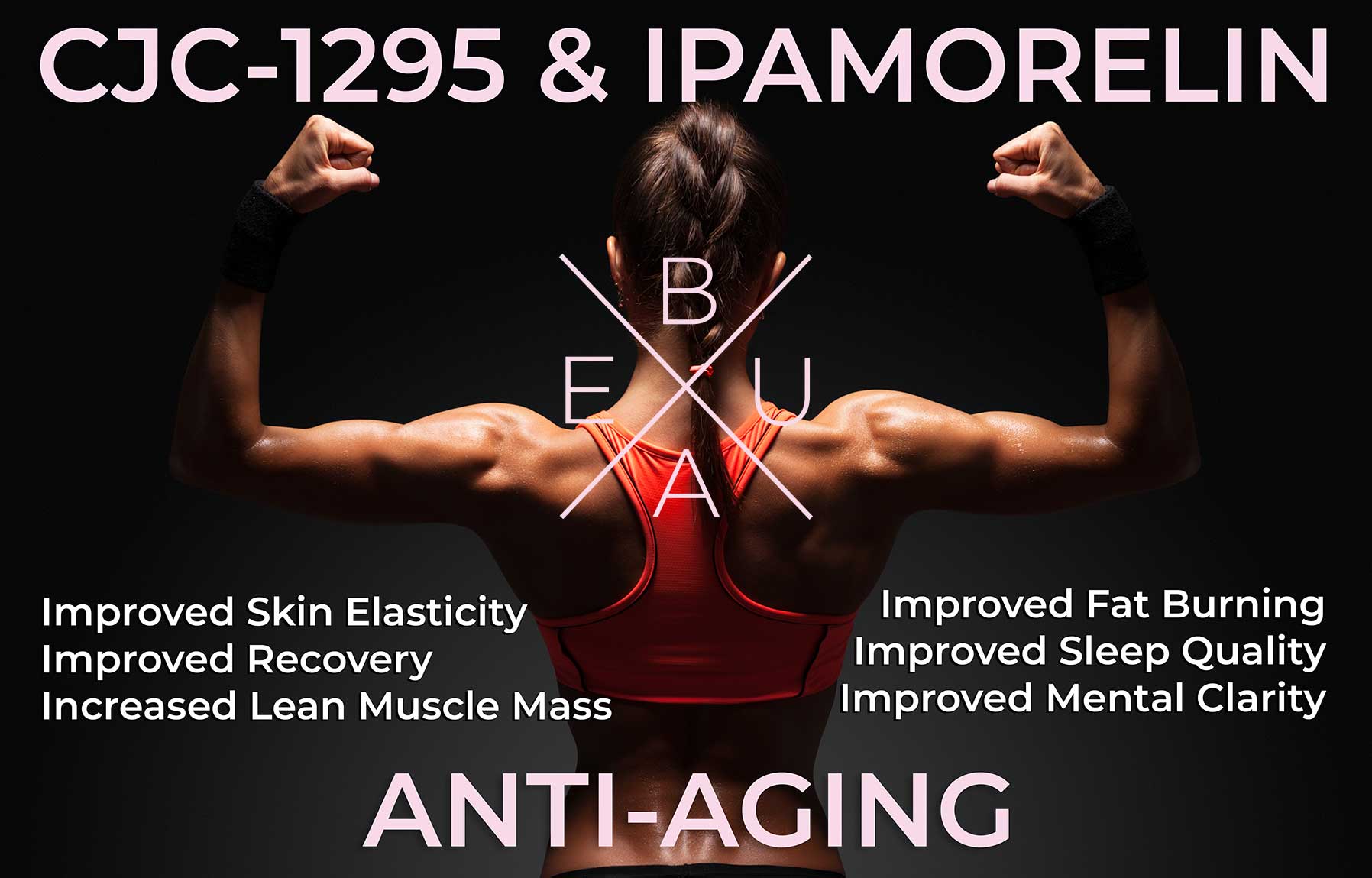
C: CJC-1295
- Uses: Growth hormone release for muscle growth, fat loss, anti-aging.
- Safety: Not safe; FDA Category 2 due to heart-related side effects, immunogenicity. Banned by WADA and military.
- Testing: Early human trials; animal studies dominant. Removed from Category 2 in 2024 for further review.
- Status: Research; potentially re-legalized in 2026.
D: Defensins (Antimicrobial Peptides)
- Uses: Immune defense against bacteria, viruses.
- Safety: Generally safe as natural body components; synthetic versions vary.
- Testing: Studied in labs; some in clinical trials for infections.
- Status: Natural/research.
E: Epitalon (Epithalon)
- Uses: Telomere extension for anti-aging, longevity.
- Safety: Not safe; FDA Category 2 risks include limited safety data.
- Testing: Russian studies; minimal Western trials.
- Status: Experimental.
G: GHK-Cu (Copper Peptide)
- Uses: Skin repair, anti-aging, wound healing; in cosmetics.
- Safety: Topical safe; injectable on FDA Category 2 for impurities risks. Oral/topical versions less restricted.
- Testing: Animal and small human studies; cosmetic use common.
- Status: Cosmetic/research; injectable restricted.
![GHK-Cu Peptide | The benefits, side effects, and more [2026]](https://innerbody.imgix.net/ghk-cu-peptide-header.jpg)
G: GHRP-2 (Growth Hormone Releasing Peptide-2)
- Uses: Stimulates growth hormone for muscle, appetite.
- Safety: Not safe; FDA notes adverse events including deaths. Banned by WADA.
- Testing: Clinical trials halted; experimental.
- Status: Prohibited.
I: Insulin
- Uses: Blood sugar control for diabetes.
- Safety: Safe under medical use; risks like hypoglycemia if misused.
- Testing: Fully tested; approved since 1920s.
- Status: FDA-approved therapeutic.

I: Ipamorelin
- Uses: Growth hormone stimulation for recovery, anti-aging.
- Safety: Not safe; FDA Category 2 for immunogenicity. Banned in sports. Removed from Category 2 in 2024.
- Testing: Early trials; mostly animal data.
- Status: Research; potential reclassification.
M: Melanotan II
- Uses: Tanning, sexual function.
- Safety: Not safe; FDA Category 2 risks include skin cancer potential. Banned by WADA.
- Testing: Limited human studies; not approved.
- Status: Prohibited.
O: Opioid Peptides (e.g., Enkephalins)
- Uses: Pain relief, mood regulation.
- Safety: Natural safe; synthetic vary, with addiction risks.
- Testing: Studied extensively.
- Status: Natural/therapeutic.
P: PT-141 (Bremelanotide)
- Uses: Sexual desire enhancement.
- Safety: Safe for approved use; FDA-approved for HSDD in premenopausal women. Side effects: nausea, hypertension.
- Testing: Phase III trials completed.
- Status: Approved (Vyleesi); not for men/postmenopause off-label.
S: Semaglutide
- Uses: Weight loss, diabetes (Ozempic, Wegovy).
- Safety: Safe prescribed; side effects like GI issues. FDA-approved.
- Testing: Large-scale trials; post-market data.
- Status: Therapeutic; compounded versions risky if unregulated.
T: TB-500 (Thymosin Beta-4 Fragment)
- Uses: Tissue repair, injury healing.
- Safety: Not safe; FDA Category 2 for lack of trials, immune risks. Banned by WADA/NCAA.
- Testing: Animal studies; limited human.
- Status: Prohibited.
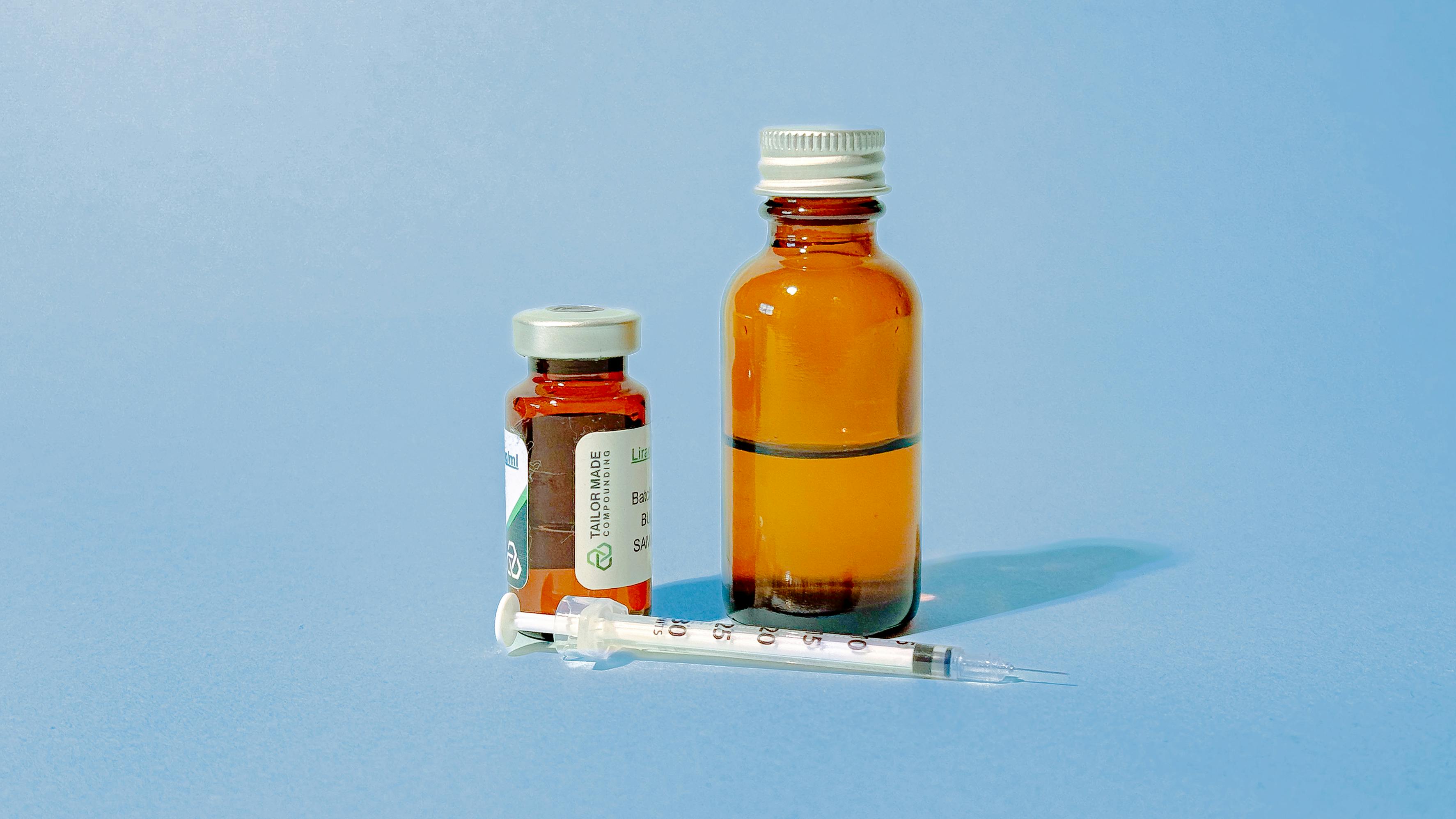
T: Thymosin Alpha-1
- Uses: Immune boost for infections, cancer.
- Safety: Generally safe; approved in 30 countries. FDA Category 2 in U.S. for inadequate data. Removed in 2024.
- Testing: International trials; U.S. review ongoing.
- Status: Therapeutic abroad; U.S. research.
T: Tirzepatide
- Uses: Weight loss, diabetes (Mounjaro, Zepbound).
- Safety: Safe prescribed; side effects similar to semaglutide.
- Testing: Phase III trials; FDA-approved 2022.
- Status: Therapeutic.
V: Vasoactive Intestinal Peptide (VIP)
- Uses: Gut motility, inflammation reduction.
- Safety: Natural safe; synthetic in trials.
- Testing: Clinical studies for IBD.
- Status: Research.
What Are Peptides in Skincare?
Peptides are short chains of amino acids (typically 2–50) that act as messengers in the skin. They signal cells to perform functions like producing more collagen, elastin, or hyaluronic acid, repairing damage, or relaxing expression lines. As we age, natural protein production declines, leading to wrinkles, sagging, and dullness—peptides help counteract this gently without the irritation often seen with retinoids.
Key Benefits of Peptides in Skincare
- Boost collagen and elastin production for firmer, plumper skin.
- Reduce the appearance of fine lines, wrinkles, and expression lines (some mimic Botox effects topically).
- Improve skin elasticity, hydration, and barrier strength.
- Support wound healing, reduce inflammation, and even out tone/texture.
- Provide antioxidant protection and help with overall resilience against environmental stress.
- Gentle alternative or complement to stronger actives; minimal side effects (rare irritation possible, always patch test).
Results build over 4–12 weeks with consistent use (morning and/or night).
Main Types of Peptides in Skincare
Peptides are classified by function:
- Signal Peptides — Tell skin cells to ramp up collagen/elastin production.
- Carrier Peptides — Deliver trace elements (like copper) to boost healing and collagen.
- Neurotransmitter-Inhibitor Peptides — Relax facial muscles to soften dynamic wrinkles (Botox-like).
- Enzyme-Inhibitor Peptides — Prevent collagen breakdown by inhibiting enzymes.
Common and effective ones include:
- Palmitoyl Pentapeptide-4 (Matrixyl) — Classic signal peptide; boosts collagen, reduces wrinkles.
- Matrixyl 3000 (complex with palmitoyl tripeptide-1 and tetrapeptide-7) — Powerful anti-aging blend.
- Acetyl Hexapeptide-8 (Argireline) — Relaxes muscles for smoother expression lines.
- Copper Tripeptide-1 (GHK-Cu) — Carrier; promotes repair, firmness, and anti-inflammatory effects.
- Palmitoyl Tripeptide-1 / Tripeptide-7 — Signal; improves elasticity and texture.
- SNAP-8 / Acetyl Octapeptide-3 — Enhanced muscle-relaxing for deeper lines.
- Tripeptide-10 Citrulline (Decorinyl) — Regulates collagen structure.
These appear in serums, creams, moisturizers, and eye treatments.
Safety and Considerations
Topical cosmetic peptides are considered safe for most people, with low risk of side effects. They’re non-irritating compared to acids or retinoids and suitable for sensitive skin. No major FDA bans apply to cosmetic versions (unlike injectables like BPC-157 or CJC-1295, which are restricted due to immunogenicity and impurity risks).
Always choose reputable brands with stable formulations (peptides can degrade if not properly preserved). Start slow if combining with strong actives. Consult a dermatologist for personalized advice, especially if you have conditions like eczema.
Best Peptide Products in 2026 (Dermatologist-Recommended & Tested)
Here are standout options based on recent reviews, expert picks, and performance:
- Best Overall Serum: Medik8 Liquid Peptides — Multi-peptide blend for firmness and glow.
- Best for Beginners/Affordable: The Inkey List Collagen Peptide Serum or The Ordinary Multi-Peptide + HA Serum — Gentle, hydrating, and effective at plumping.
- Best for Expression Lines: Allies of Skin Multi Peptides & GF Advanced Lifting Serum or SkinCeuticals P-TIOX — Targets dynamic wrinkles with Argireline-like effects.
- Best Firming: SkinMedica TNS Advanced+ Serum or Alastin Restorative Skin Complex — Growth factors + peptides for mature skin.
- Best with Copper Peptides: NIOD Copper Amino Isolate Serum — Repair and anti-inflammatory boost.
- Best Moisturizer: Paula’s Choice Pro-Collagen Peptide Plumping Moisturizer — Daily hydration with peptides.
How to Use Peptides in Your Routine
- Apply after cleansing/toning, before moisturizer (serums first).
- Use 1–2 times daily.
- Layer with hyaluronic acid for extra hydration or niacinamide for calming.
- Consistent use is key—expect visible improvements in texture and firmness over months.
Peptides continue to trend in 2026 for their evidence-based, gentle anti-aging power. If you’re starting an anti-aging routine, a peptide serum is an excellent, low-risk addition.
For personalized recommendations or if you’re dealing with specific concerns (e.g., creasing, redness), a dermatologist can help tailor it!
Conclusion
Peptides offer exciting potential but come with caveats. FDA-approved ones like insulin, semaglutide, and tirzepatide are safe and tested for specific uses. Research peptides like BPC-157 or CJC-1295 lack full testing and carry risks, often prohibited in sports or military. With potential policy shifts in 2026, access may change, but prioritize evidence-based options and professional guidance.
For more visuals, check the embedded images. Stay informed as research evolves!