
Ultimate Guide to Stretching the Fascia: Unlock Better Mobility, Reduce Pain, and Improve Flexibility
Fascia is the connective tissue web that surrounds your muscles, bones, organs, and joints. Often overlooked, tight or restricted fascia can lead to stiffness, chronic pain, poor posture, and limited range of motion. Stretching the fascia (also known as myofascial stretching or fascial stretching) helps release tension, improve elasticity, and restore smooth movement throughout the body.
Unlike traditional muscle stretching, fascial stretching often involves slower, multi-directional movements, sustained holds, and sometimes tools like foam rollers for self-myofascial release. Regular practice can enhance flexibility, boost circulation, aid recovery, and prevent injuries.
Table of Contents
Key Benefits of Fascia Stretching
Incorporating fascial stretches into your routine offers numerous advantages:
- Improved flexibility and range of motion — Releases restrictions for freer movement.
- Pain relief — Eases chronic discomfort in areas like the back, neck, hips, and feet.
- Better posture and mobility — Addresses imbalances caused by sedentary lifestyles or repetitive strain.
- Enhanced athletic performance and recovery — Supports faster healing and reduces injury risk.
- Increased circulation — Promotes blood flow and lymphatic drainage for overall wellness.
How to Stretch Your Fascia Effectively
Focus on slow, gentle movements. Hold stretches for 30–90 seconds, breathe deeply, and avoid forcing or bouncing. Combine with self-myofascial release (like foam rolling) for best results. Aim for 10–15 minutes daily, ideally after warming up or in the evening.
Here are some effective fascial stretching exercises targeting common areas:
1. Neck Fascia Stretch
Great for relieving tension from desk work or screen time. Tilt your head to one side while gently pulling the opposite shoulder down.


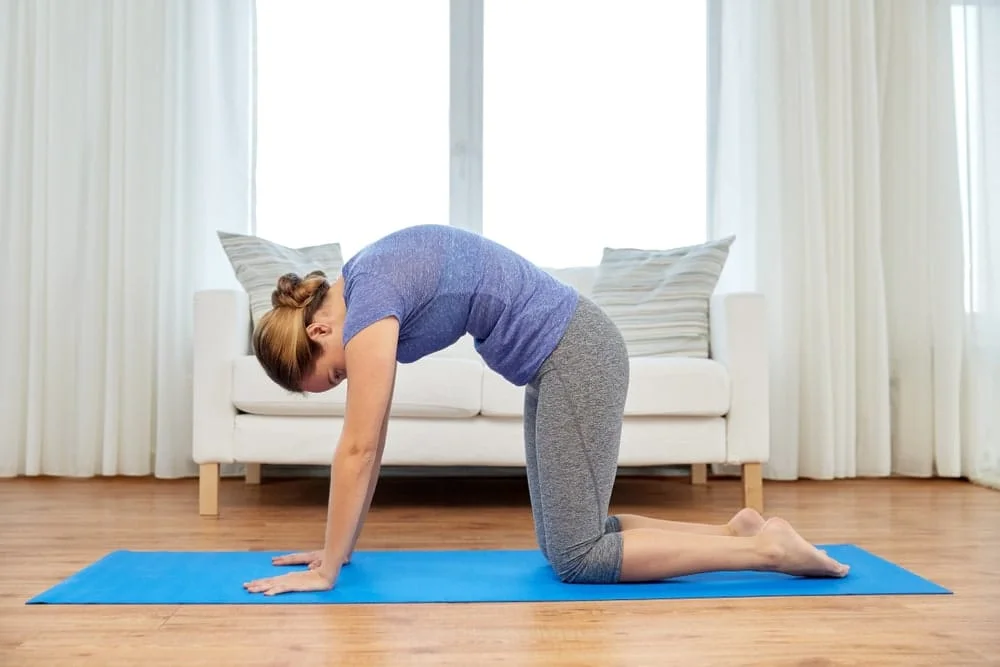
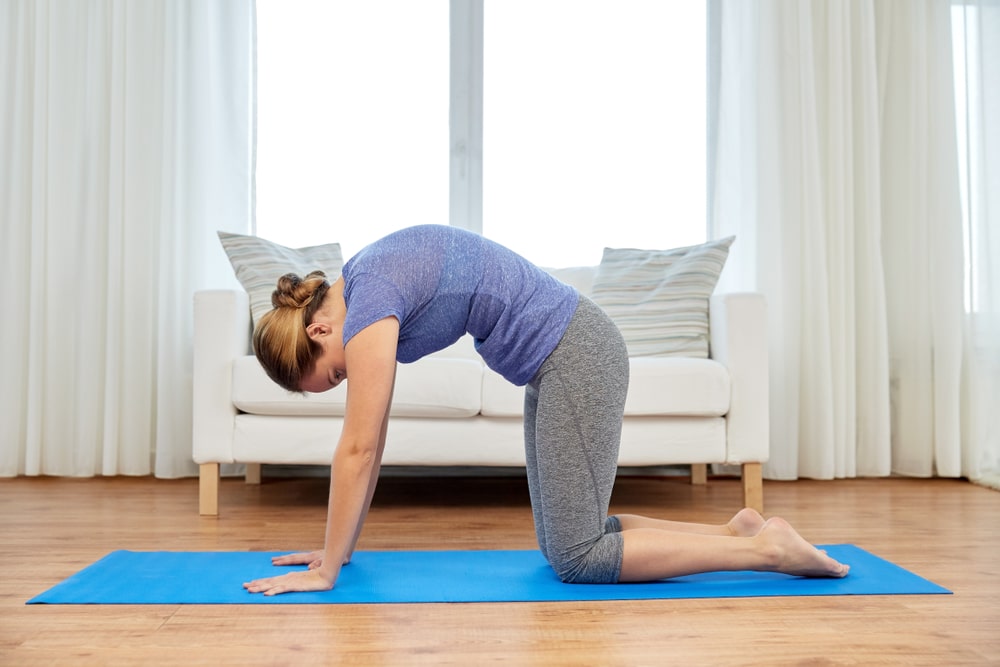
2. Thoracic Spine / Cat-Cow Stretch
This flowing movement releases fascia along the back and improves spinal mobility. Alternate between arching (cow) and rounding (cat) your back on all fours.


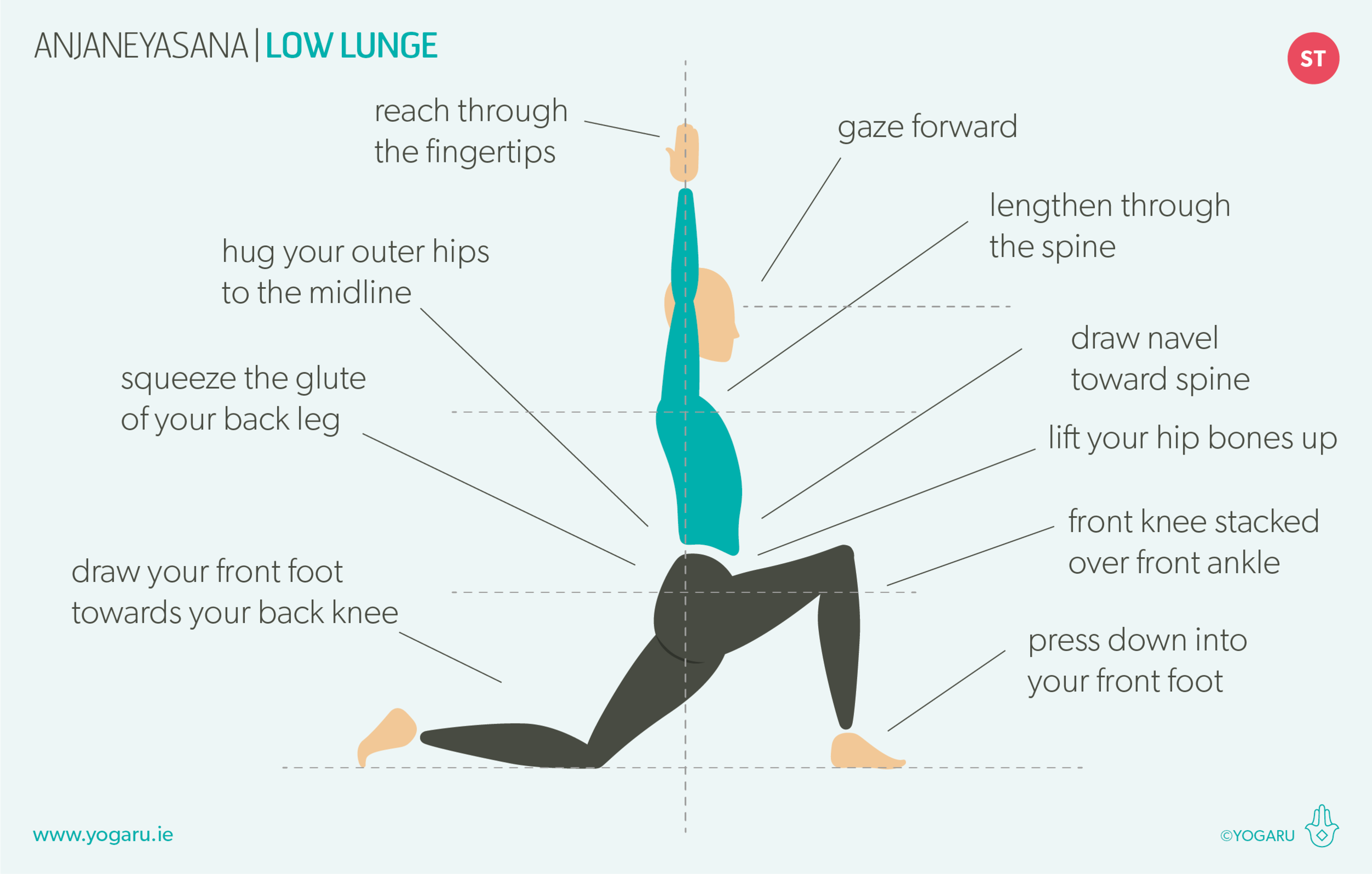
3. Hip Flexor / Low Lunge Stretch
Targets the front of the hips and deep fascial lines. Step into a lunge, sink your hips forward, and hold for a deep release.

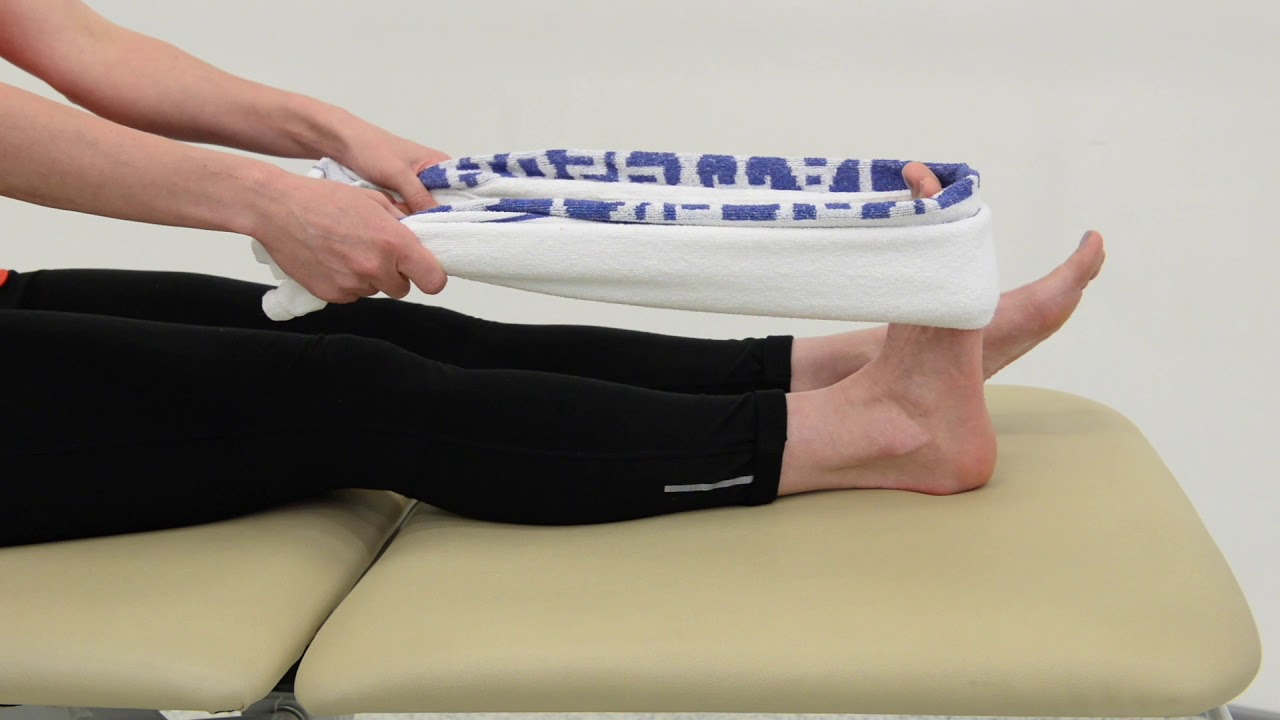
4. Plantar Fascia Stretch
Essential for foot health, especially if you experience heel pain. Use a towel to pull your toes toward your shin while keeping the knee straight.

Tips for Safe and Effective Fascia Stretching
- Start slow and listen to your body — mild discomfort is okay, but stop if you feel sharp pain.
- Combine with deep breathing to enhance relaxation and release.
- Stay consistent — results build over weeks.
- Consult a professional (like a physical therapist or fascial stretch therapist) if you have injuries or chronic conditions.
- Pair with hydration and movement variety for optimal fascial health.
Stretching your fascia isn’t just about flexibility—it’s about moving freely and feeling better every day. Try adding these techniques to your routine and notice the difference in how your body feels and functions.
What fascial area feels tightest for you? Share in the comments, or explore more resources for advanced myofascial techniques!