

Vitamin D: The Steroid Hormone Derived from Liver Cholesterol That Boosts Testosterone
Vitamin D isn’t just another vitamin — it’s a powerful steroid hormone synthesized from cholesterol in your liver and skin. Often called the “sunshine hormone,” it plays a critical role in hormone balance, including testosterone production. If you’re dealing with low energy, muscle loss, or low T symptoms, understanding the deep connection between Vitamin D, liver cholesterol, and testosterone could be the missing piece.
In this comprehensive guide, we’ll break down the science, backed by studies, and show you how optimizing Vitamin D levels can support your hormonal health naturally.


Table of Contents
What Is Vitamin D? Understanding It as a Steroid Hormone
Vitamin D is technically a secosteroid (a type of steroid hormone) with the chemical name 9,10-secocholesta-5,7,10(19)-trien-3β-ol. Unlike true vitamins that must come entirely from diet, your body produces most of its Vitamin D3 (cholecalciferol) endogenously from cholesterol precursors when your skin is exposed to UVB sunlight.
It exists in three main forms:
- Cholecalciferol (D3) — the inactive form made in skin from cholesterol.
- 25-hydroxyvitamin D (25(OH)D) — the storage form produced in the liver.
- 1,25-dihydroxyvitamin D (calcitriol) — the active hormone form activated in the kidneys.
This steroid hormone binds to the Vitamin D Receptor (VDR) in nearly every cell, regulating over 2,000 genes involved in immunity, bone health, inflammation, and — crucially — steroid hormone production.
The Cholesterol Connection: Your Liver’s Central Role in Vitamin D Production
Cholesterol isn’t the villain it’s often made out to be — it’s the raw material for all steroid hormones, including Vitamin D, testosterone, estrogen, and cortisol.
Your liver is the body’s primary cholesterol factory. It produces about 80% of the cholesterol you need, including 7-dehydrocholesterol, the direct precursor to Vitamin D3. When UVB rays hit your skin, 7-dehydrocholesterol converts to previtamin D3, then to cholecalciferol.
The liver then hydroxylates cholecalciferol into 25(OH)D — the form doctors measure in blood tests. Without healthy liver function and adequate cholesterol, Vitamin D synthesis grinds to a halt.

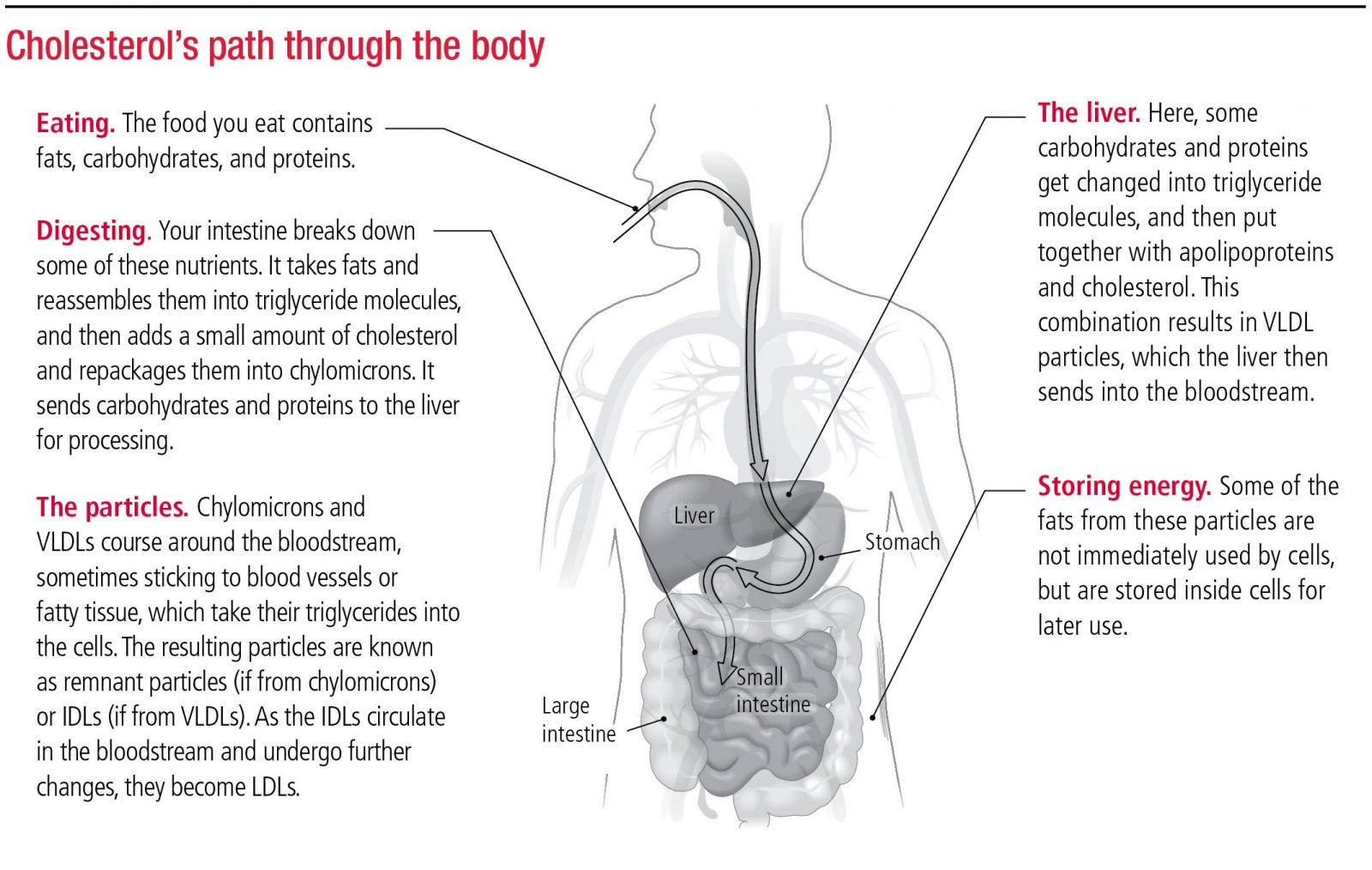


Key fact: High cholesterol levels can actually trigger a “molecular switch” that diverts more 7-dehydrocholesterol toward Vitamin D production instead of further cholesterol synthesis.
Vitamin D Synthesis Pathway: Skin → Liver → Active Hormone
Here’s the step-by-step journey:
- Skin: UVB light + 7-dehydrocholesterol → cholecalciferol (D3).
- Liver: D3 → 25(OH)D (storage form, bound to Vitamin D-binding protein made in the liver).
- Kidneys: 25(OH)D → 1,25(OH)2D (calcitriol, the active steroid hormone).
This pathway explains why people in northern latitudes (like Winnipeg, Canada) or with limited sun exposure often have low Vitamin D — and why liver health matters so much for hormone optimization.
Vitamin D and Testosterone: The Evidence-Based Link
Both Vitamin D and testosterone are steroid hormones sharing the same cholesterol backbone. Research shows a clear positive correlation:
- A 2011 randomized controlled trial found that Vitamin D supplementation significantly raised testosterone levels in men (from 10.7 nmol/L to 13.4 nmol/L).
- Multiple studies confirm that men with higher 25(OH)D levels have higher total and free testosterone, especially in those who are Vitamin D deficient or obese.
- A 2019 Mendelian randomization study using genetic data supported a causal link: genetically lower Vitamin D led to lower testosterone.
Vitamin D receptors are present in the testes, where the hormone directly influences Leydig cells responsible for testosterone synthesis. It also regulates enzymes involved in steroidogenesis.

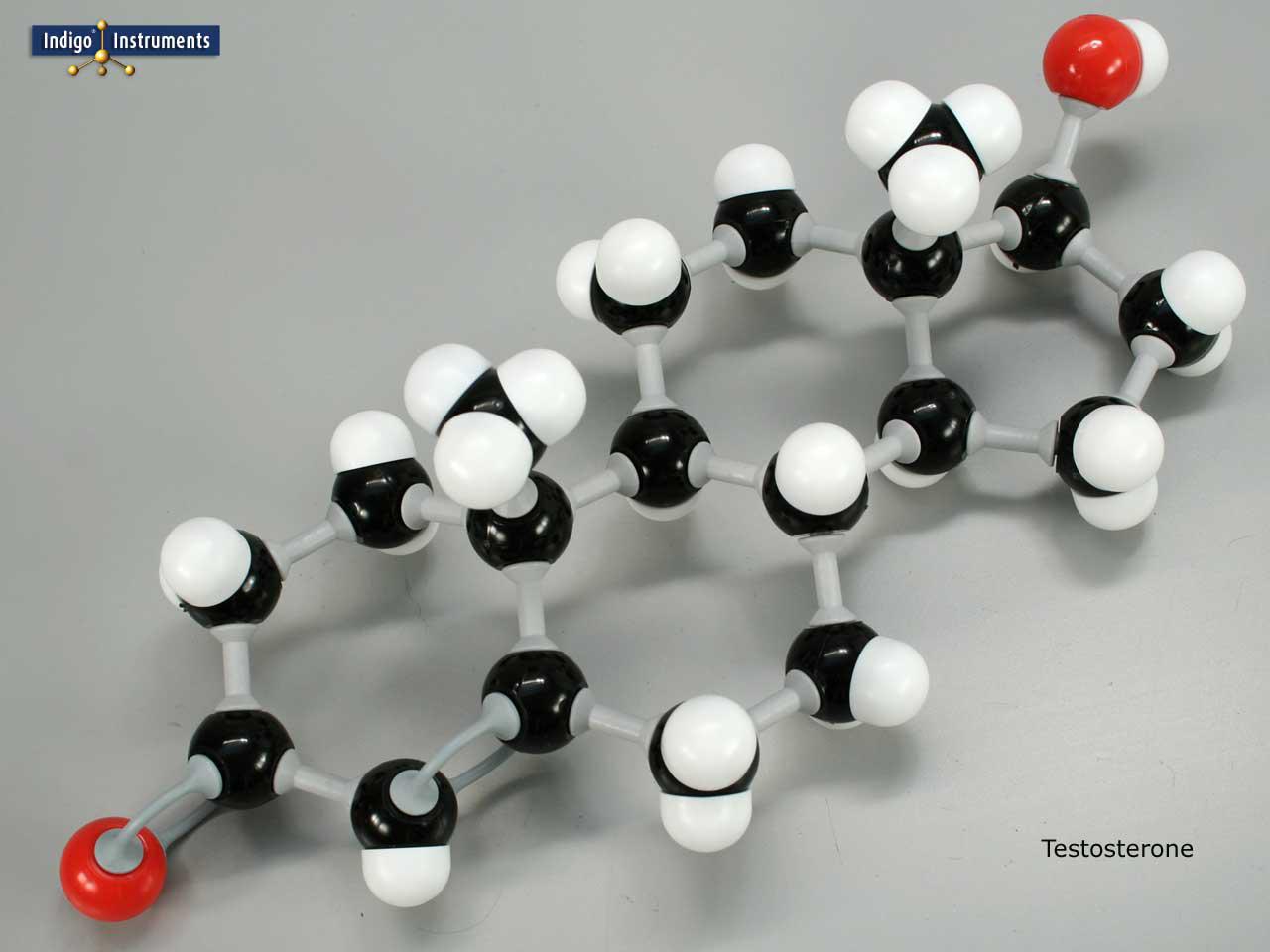
Bottom line: If your Vitamin D is low, your testosterone production may suffer — especially if you live in a low-sunlight area or have higher body fat (which sequesters Vitamin D).
Additional Health Benefits of Optimal Vitamin D Levels
Beyond testosterone, adequate Vitamin D (aim for 40–60 ng/mL 25(OH)D) supports:
- Stronger bones and muscles
- Better immune function and lower inflammation
- Improved mood and reduced depression risk
- Healthier cholesterol metabolism (Vitamin D can lower total cholesterol and LDL in some studies)
How to Optimize Vitamin D Naturally (Sun, Food, Supplements)
1. Safe Sun Exposure 10–30 minutes of midday sun on arms, legs, and face several times per week (without sunscreen) is ideal, depending on skin type and latitude.
2. Vitamin D-Rich Foods
- Fatty fish (salmon, mackerel, sardines)
- Egg yolks
- Fortified dairy or plant milks
- Mushrooms exposed to UV light

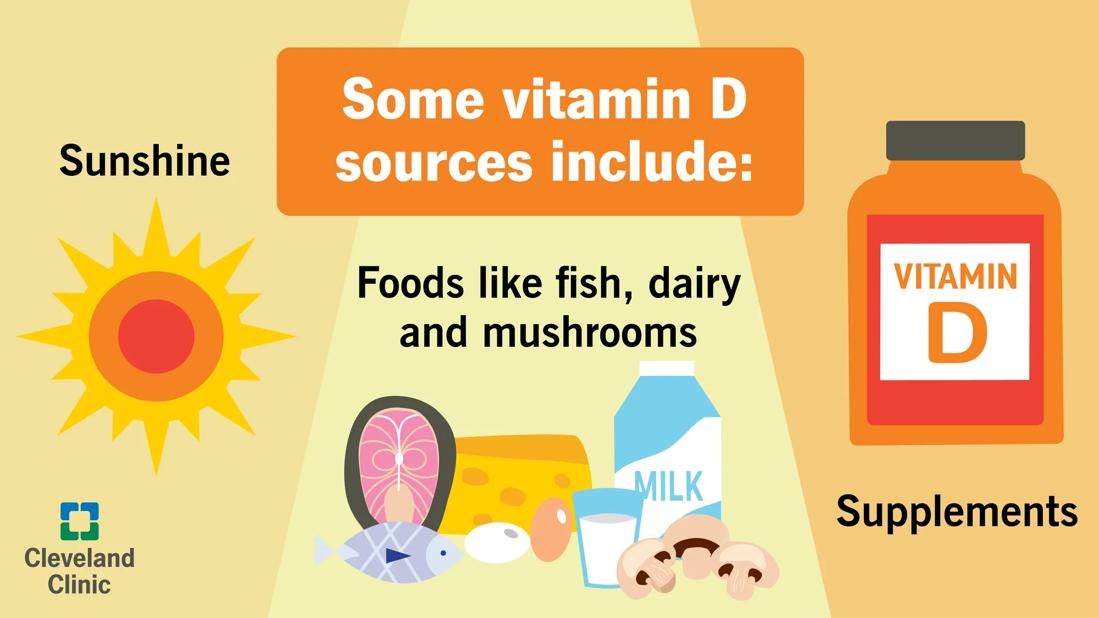

3. High-Quality Supplements Most people need 2,000–5,000 IU of Vitamin D3 daily. Take with a fat-containing meal for best absorption, and pair with Vitamin K2 and magnesium for synergy.
Pro tip: Get your levels tested every 6–12 months — especially if you live north of the 37th parallel like in Manitoba.
Conclusion: Vitamin D Is Your Steroid Hormone Ally
Vitamin D is far more than a bone vitamin — it’s a cholesterol-derived steroid hormone manufactured with help from your liver that directly supports testosterone production and overall hormonal health. Maintaining optimal levels through smart sun exposure, diet, and targeted supplementation can be one of the simplest, most powerful steps you take for energy, strength, and vitality.
Ready to take action? Talk to your doctor about testing your 25(OH)D and testosterone levels. Many men see noticeable improvements in energy and libido once they correct a deficiency.
Sources & Further Reading
- Steroid Hormone Vitamin D – Circulation Research
- Vitamin D Supplementation and Testosterone – PubMed
- Cholesterol Production in Your Body – Harvard Health
- Vitamin D as Regulator of Steroidogenic Enzymes
Share this post if it helped you understand the powerful Vitamin D–cholesterol–testosterone connection! Have you had your Vitamin D levels checked lately? Drop your experience in the comments.